01
Choose the lane
Piano trio, cool jazz, swing, bebop, jazz-funk, Latin jazz, and quiet lounge music call for different ensembles and amounts of movement.
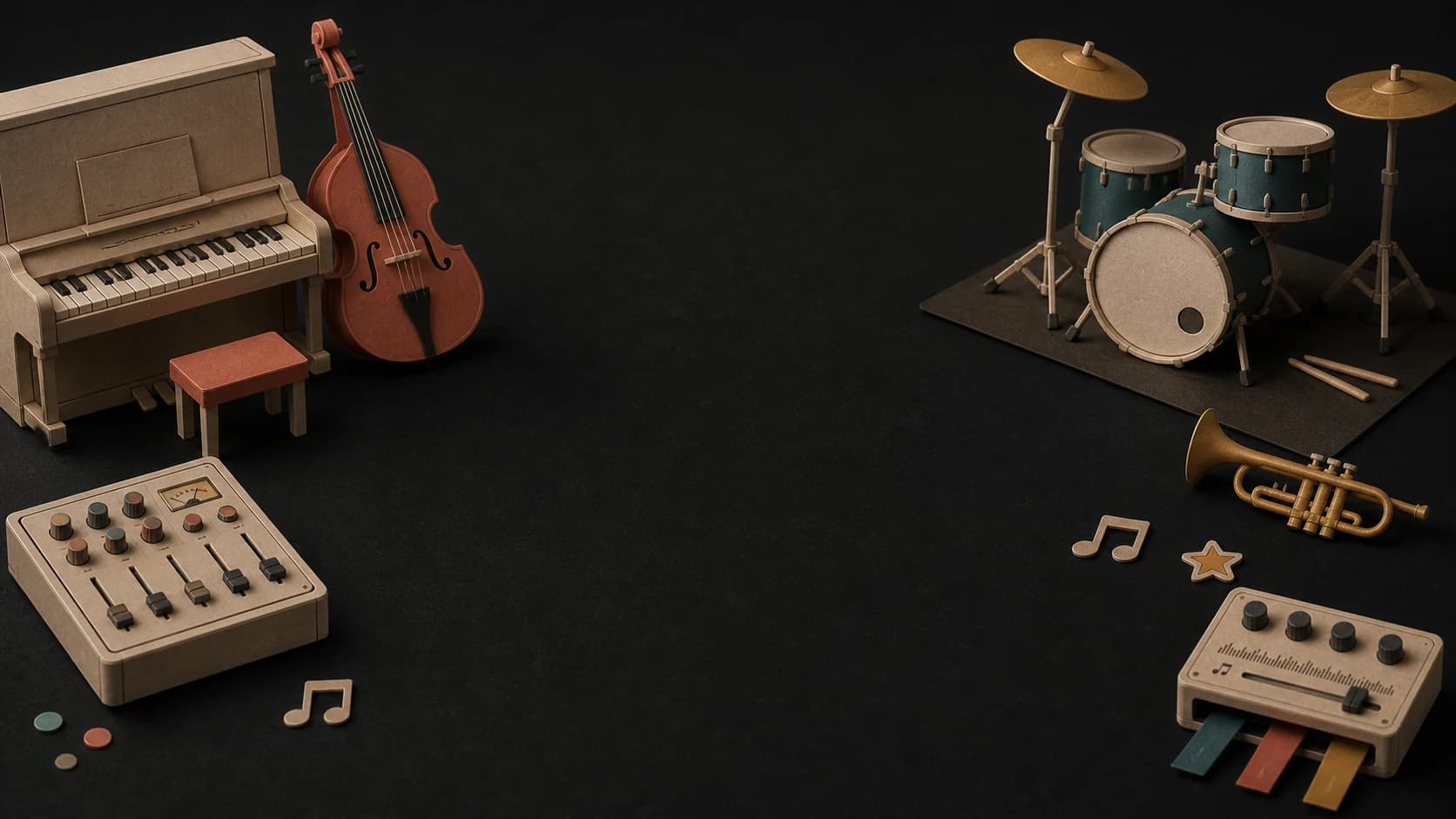
Describe the jazz setting, ensemble, tempo feel, and amount of improvisation you want. Make a small-combo groove, a piano trio, a brass-led cue, or a quieter background piece.
Start with the ensemble, swing, and room
First 2 songs freeEvery model on paid plans from $5.99/moSee plans ↓
Original examples
These original instrumentals move from a late piano trio to brushed small-combo jazz and a brighter brass-led groove.
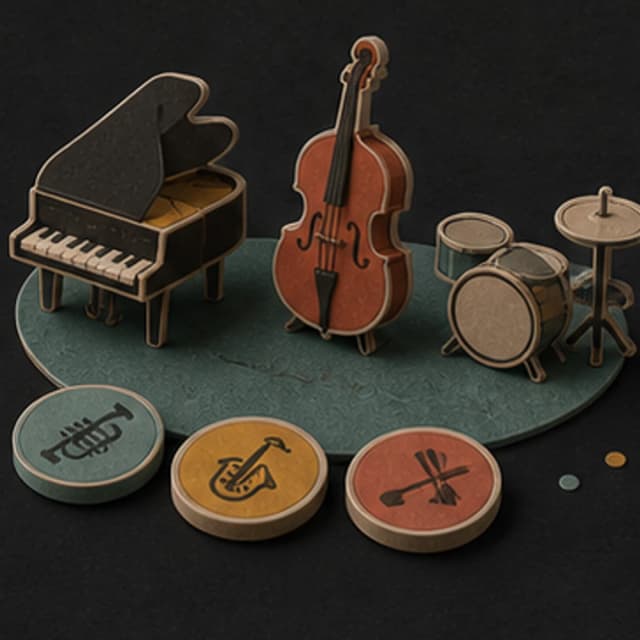
“Late-night jazz piano trio instrumental with close acoustic piano, upright bass, brushed drums, relaxed 82 BPM swing, no vocals, one restrained piano solo, and a soft final chord”
Pick a track to hear it and see the prompt behind it.
Shape the song
You do not need production jargon. These six details give the music a useful direction while leaving room for a fresh result.
Piano trio, cool jazz, swing, bebop, jazz-funk, Latin jazz, and quiet lounge music call for different ensembles and amounts of movement.
Ask for brushed swing, straight eighths, a walking feel, bossa pulse, broken funk pocket, or a slower ballad tempo.
Name the lead and support—piano, upright bass, brushed kit, trumpet, saxophone, guitar, vibraphone, organ, or a tighter brass section.
Keep the track instrumental, add a restrained original vocal, or ask for only brief wordless texture rather than leaving the role unclear.
Set the head, solo length, trading section, background figures, and ending so the music feels played without becoming an endless jam.
Keep the results that work in your MusicWave library. Compare another model or revise one clear detail when you want a different interpretation.
A practical prompt
Start with what the song should feel like, then add only the musical details you actually care about.
“Late-night jazz piano trio instrumental1 with close acoustic piano, upright bass, brushed drums3, relaxed 82 BPM swing2, no vocals, one restrained piano solo, and a soft final chord4”
How it works
Describe the direction in your own words, choose the available options, then listen before changing anything.
Name the jazz track, pace, instruments, vocal role, and one or two arrangement details that matter most.
Pick an available music model, choose instrumental or vocal, and review the shown credit cost before starting.
Play the result from your library. Change the rhythm, instrument, vocal direction, or structure when the first version misses the brief.
Ways to use it
Start from the job the track needs to do. That makes the prompt more specific and the result easier to judge.
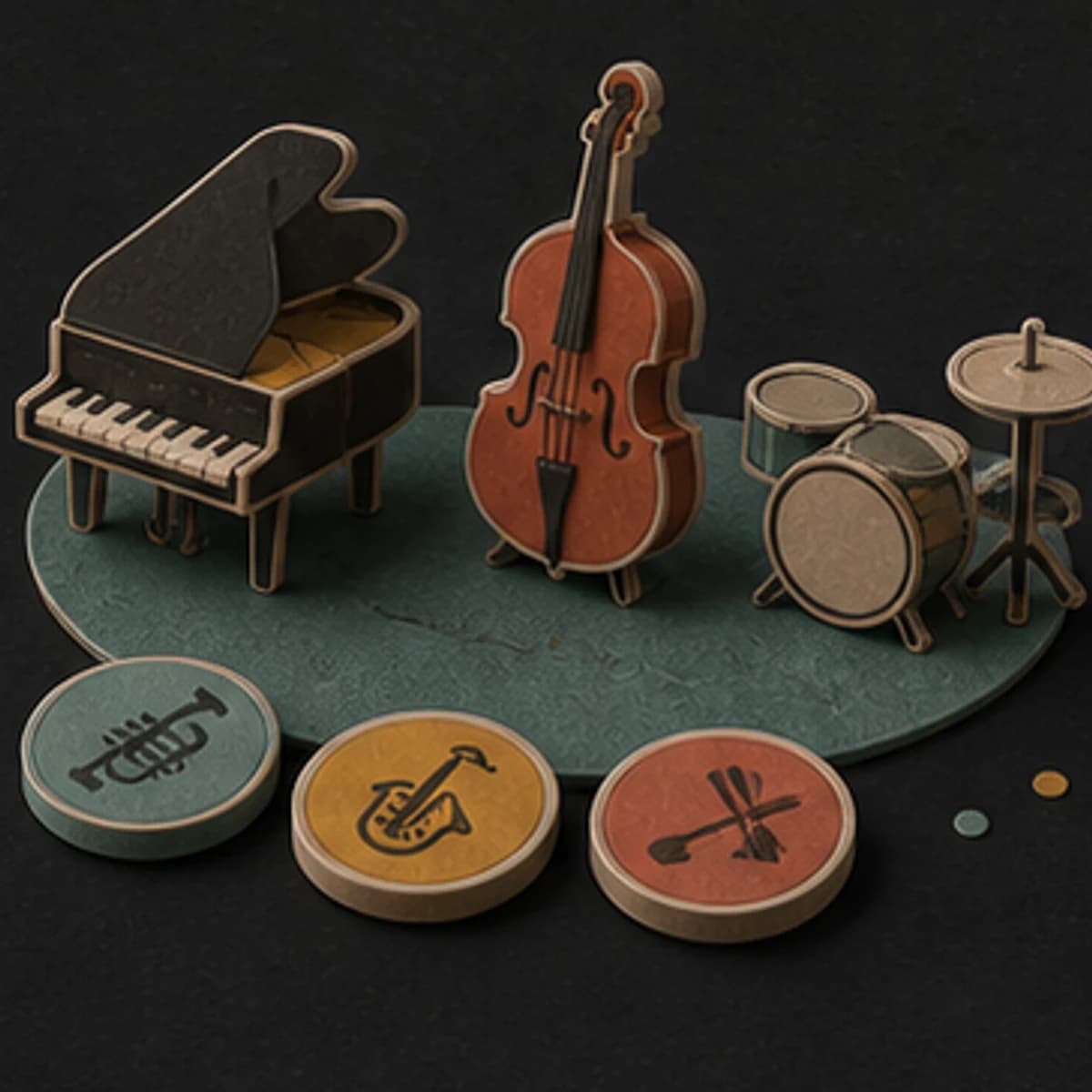
Make a warm, even small-room instrumental that can sit behind conversation.
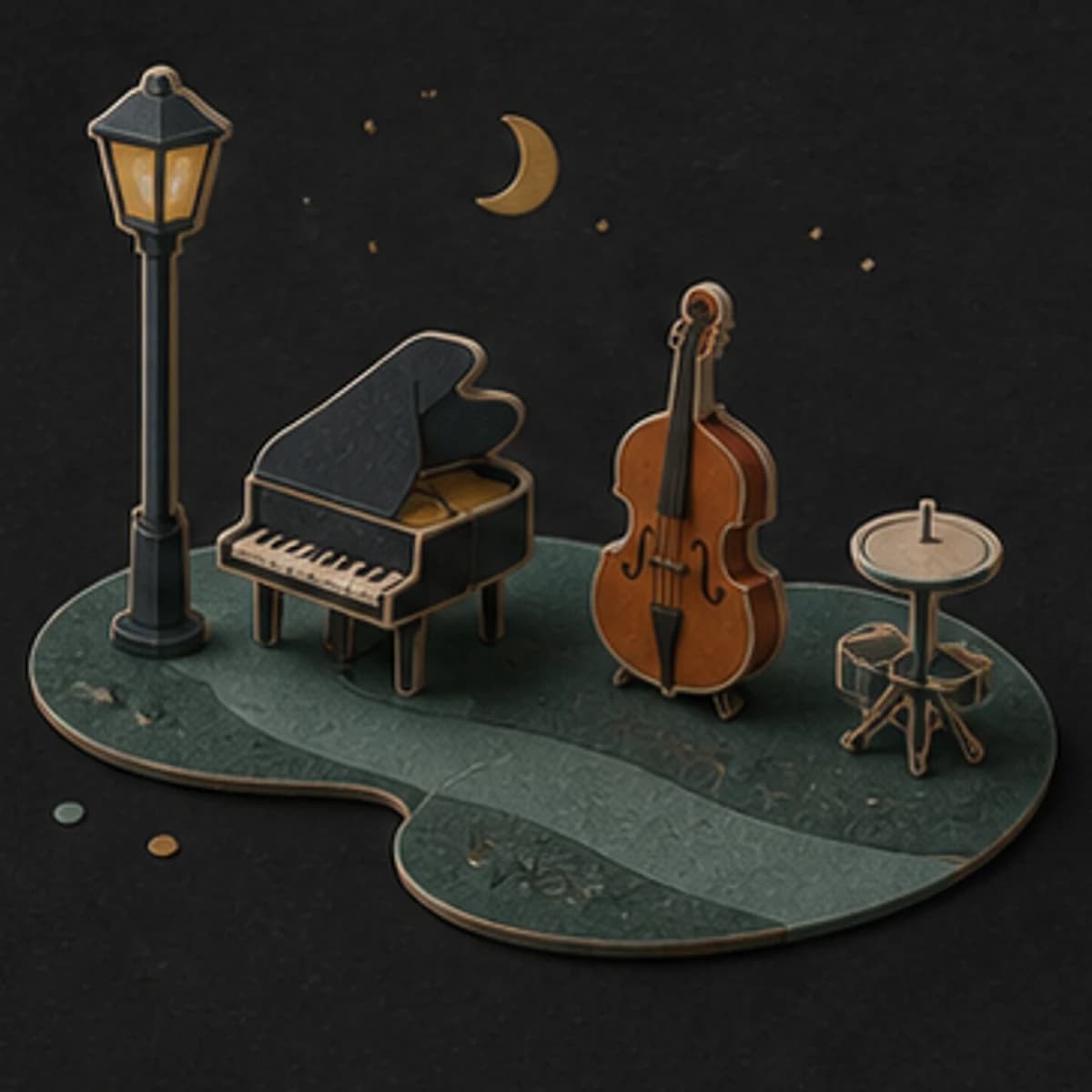
Create short jazz transitions, intros, and background beds with controlled solos.
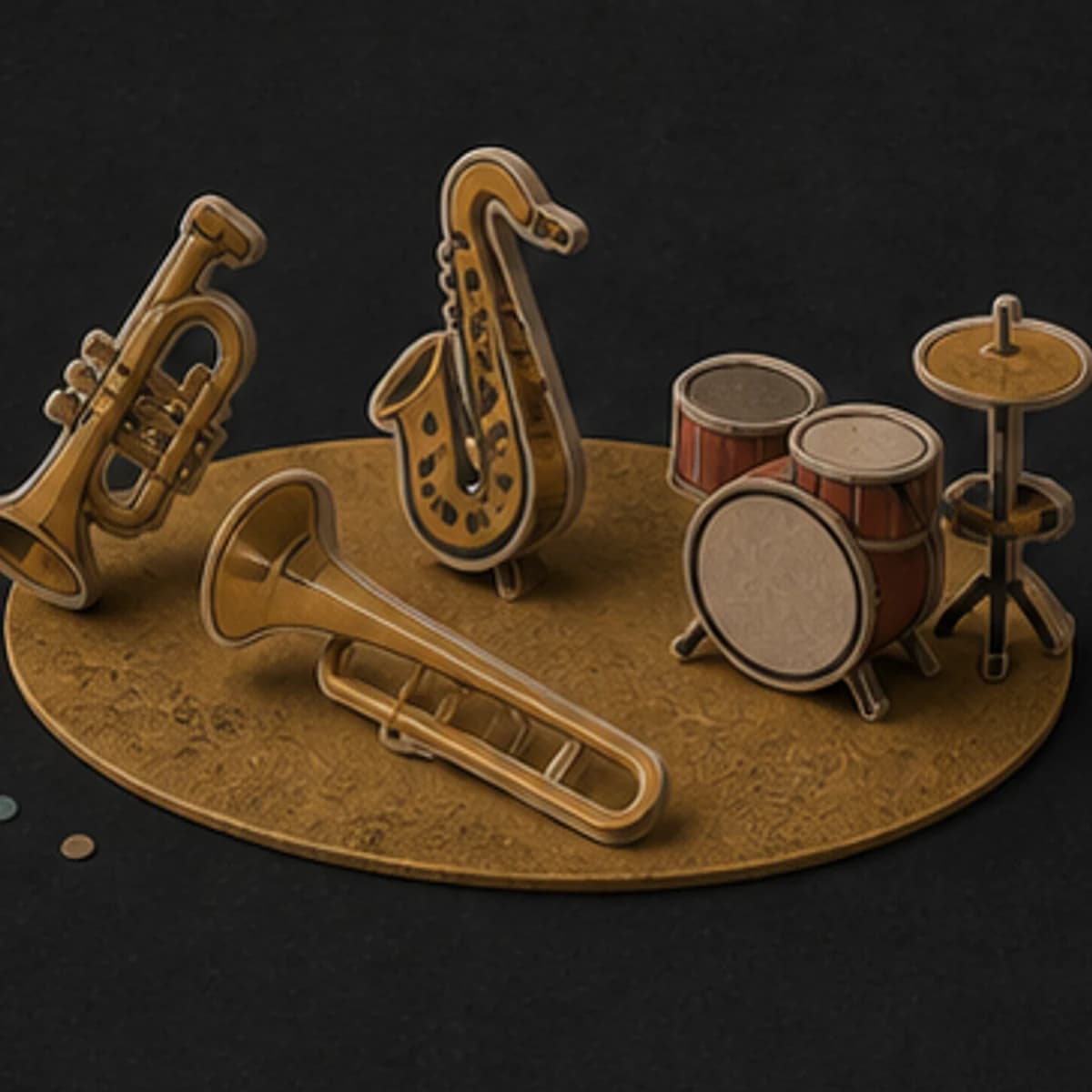
Try different ensemble and tempo combinations before arranging the parts yourself.
Explore piano trio, brass, cool jazz, jazz-funk, and bossa-influenced directions.
Start free. Upgrade when you need more.
Try it out — no card required.
No credit card required
Perfect for creation, image-to-song, and song extension.
Save 40%
All 7 model families


Wave 5.5 · ElevenLabs Music · Lyria 3 Pro · MiniMax 2.6 · Mureka 9 · Stable Audio 2.5 · MusicGen
Cancel anytime · No lock-inUnused subscription credits expire at renewal or when the billing interval changes.
Best for commercial releases and advanced song editing.
Save 40%
All 7 model families
Wave 5.5 · ElevenLabs Music · Lyria 3 Pro · MiniMax 2.6 · Mureka 9 · Stable Audio 2.5 · MusicGen
Cancel anytime · No lock-inUnused subscription credits expire at renewal or when the billing interval changes.
For power users working across MIDI, video, and high-volume output.
Save 40%
All 7 model families
Wave 5.5 · ElevenLabs Music · Lyria 3 Pro · MiniMax 2.6 · Mureka 9 · Stable Audio 2.5 · MusicGen
Cancel anytime · No lock-inUnused subscription credits expire at renewal or when the billing interval changes.
FAQ
Straight answers about prompts, vocals, models, downloads, and using the finished track.
Name the style, pace, main instruments, vocal role, and the section that should carry the song. Add a scene or purpose when it helps explain the mood.
Yes. Turn on Instrumental and describe the rhythm, instruments, structure, and space you want without asking for a vocal part.
Yes. Choose Own Lyrics, paste words you wrote or have permission to use, and describe the music and vocal delivery around them.
Describe the musical traits you like instead—tempo, instruments, drum feel, vocal character, and arrangement. Do not request another person's identity or an exact imitation.
The composer shows the models currently available. Try the same direction with another model when you want a different reading of the groove, voice, or arrangement.
Completed tracks are saved to your MusicWave library. Download and usage options depend on your current plan, the selected model's terms, and the rights in anything you supplied.
Keep exploring
Move to a nearby genre, start from lyrics, or continue a version that already has the right direction.
Describe the ensemble, tempo feel, lead instrument, solo limits, and ending, then generate an original jazz track.
Start free — no credit card needed.