01
Name the practice
Say whether the track is for counted breathing, mindfulness, a body scan, sleep preparation, or quiet reflection.
Describe the meditation, pace, instruments, and amount of movement you want. Make a calm instrumental you can shape for breathing, mindfulness, or sleep preparation.
Start with the practice, pace, and sound
First 2 songs freeEvery model on paid plans from $5.99/moSee plans ↓
Meditation music examples
These original instrumentals cover counted breathing, nature ambient, and a quiet night body-scan direction.
“Quiet meditation instrumental for slow counted breathing, warm sustained pads, very soft singing-bowl tones, low gentle drone, no drums, no vocals, no sudden swell, and even dynamics throughout”
Pick a track to hear it and see the prompt behind it.
Plan the session
Describe the practice, pace, sound palette, and changes the listener should not be interrupted by.
Say whether the track is for counted breathing, mindfulness, a body scan, sleep preparation, or quiet reflection.
Use no beat, a barely audible pulse, or a slow steady rhythm depending on the session.
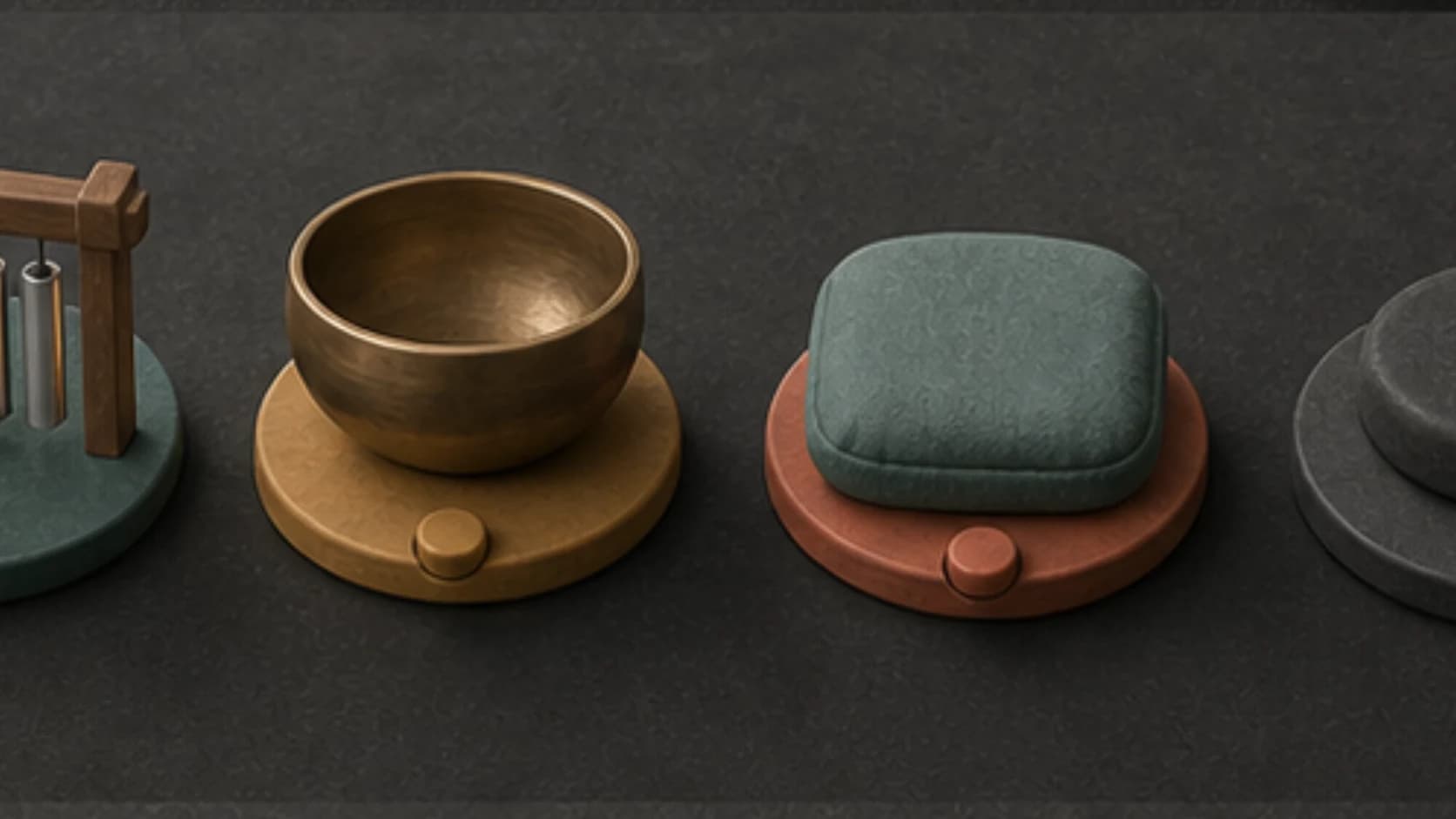
Ask for warm pads, low drones, soft bowls, felt piano, or light nature texture without sharp highs.
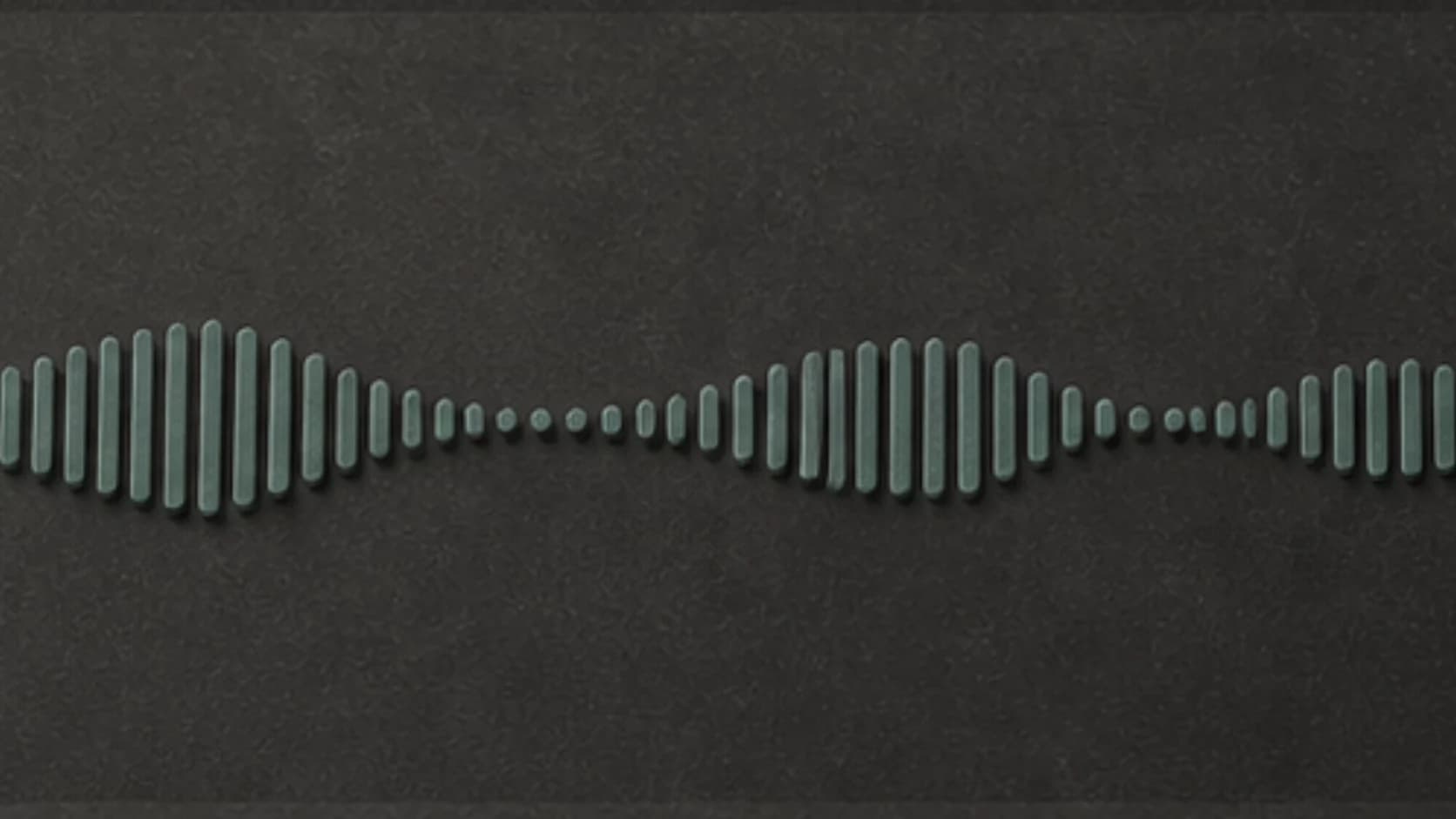
Call out no hard percussion, dramatic swell, abrupt transition, or bright foreground melody.
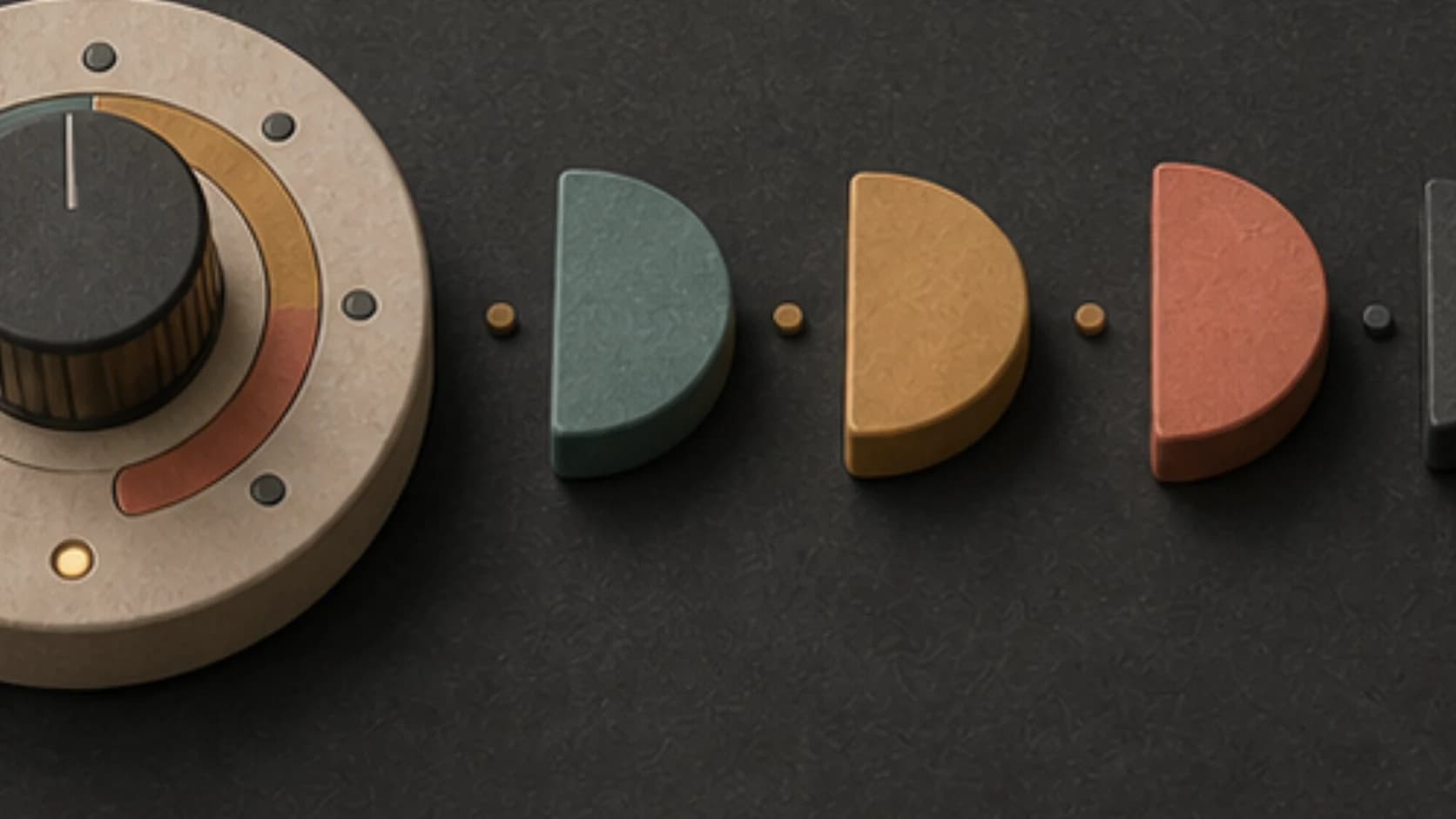
Generate the direction first, then trim, loop, or extend it to fit the actual meditation.
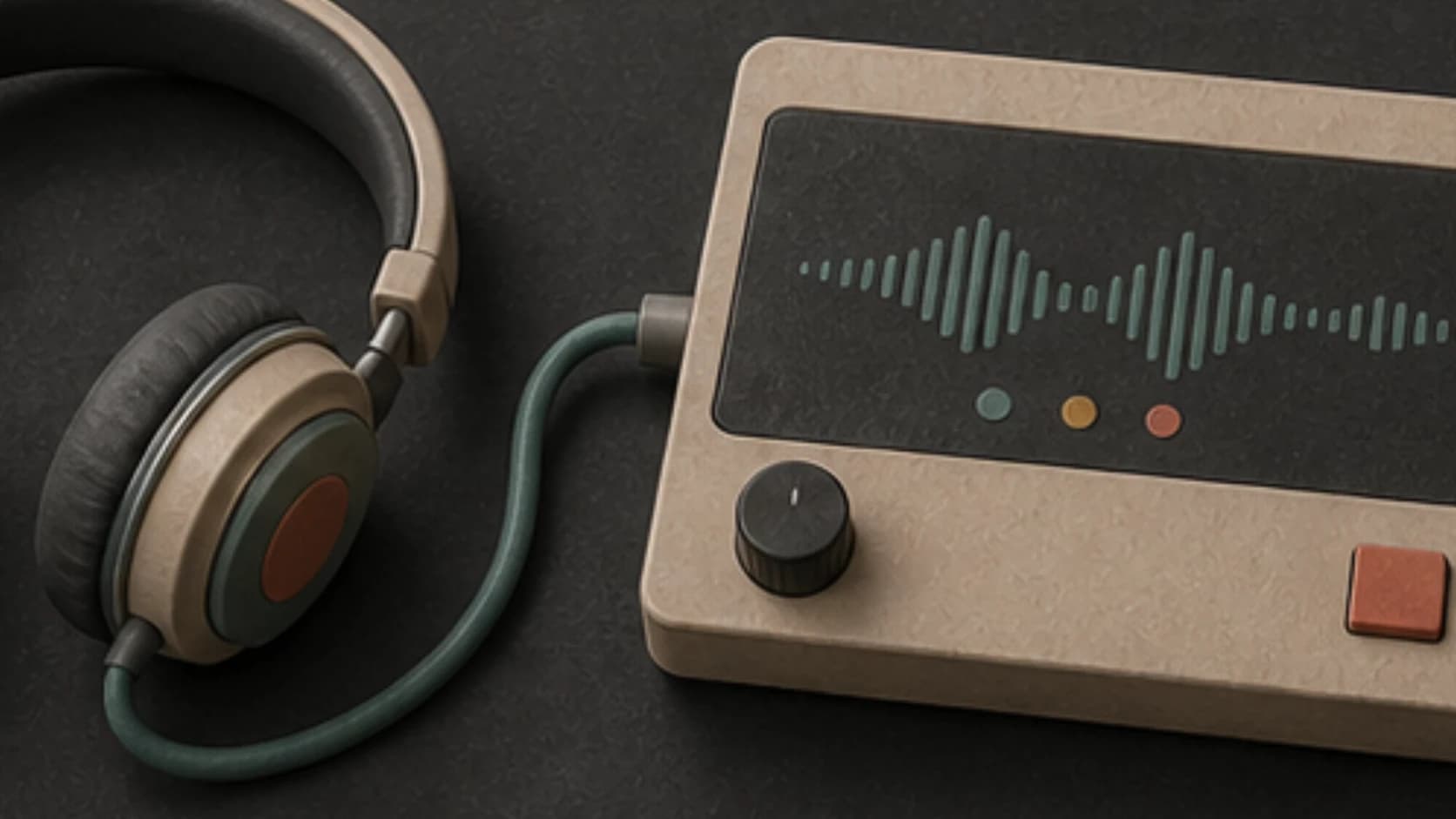
Check the result on the speaker or headphones used for the session and adjust the level outside MusicWave.
Session shape
Small controlled movement works better than a dramatic song structure.
“Quiet instrumental for slow counted breathing, warm sustained pads, very soft singing-bowl tones, low gentle drone, no drums, no vocals, no sudden swell, and even dynamics throughout.”
How it works
Generate the musical direction, then edit the final duration and playback level for the session.
Include the session type, pulse, instruments, texture, movement, and sounds to avoid.
Choose a model and keep the arrangement sparse when guidance or silence needs room.
Trim, loop, or extend the result and check it at the actual playback level.
Meditation formats
Breathing, mindfulness, sleep preparation, and guided sessions leave different amounts of room for music.
Use a stable pulse or repeating tone without implying a medical breathing pattern.
Choose low movement, soft texture, and no foreground melody.
Keep the instrumental sparse and even so spoken guidance remains clear.
Use darker warm tones, almost no rhythm, and no sudden ending or bright high-frequency sound.
Start free. Upgrade when you need more.
Try it out — no card required.
No credit card required
Perfect for creation, image-to-song, and song extension.
Save 40%
All 7 model families


Wave 5.5 · ElevenLabs Music · Lyria 3 Pro · MiniMax 2.6 · Mureka 9 · Stable Audio 2.5 · MusicGen
Cancel anytime · No lock-inUnused subscription credits expire at renewal or when the billing interval changes.
Best for commercial releases and advanced song editing.
Save 40%
All 7 model families
Wave 5.5 · ElevenLabs Music · Lyria 3 Pro · MiniMax 2.6 · Mureka 9 · Stable Audio 2.5 · MusicGen
Cancel anytime · No lock-inUnused subscription credits expire at renewal or when the billing interval changes.
For power users working across MIDI, video, and high-volume output.
Save 40%
All 7 model families
Wave 5.5 · ElevenLabs Music · Lyria 3 Pro · MiniMax 2.6 · Mureka 9 · Stable Audio 2.5 · MusicGen
Cancel anytime · No lock-inUnused subscription credits expire at renewal or when the billing interval changes.
FAQ
Practical limits around session length, health claims, guidance, loops, and publishing.
Generated length can vary. Create the core direction, then extend, loop, or edit it to the session length you need.
It can provide a steady pulse or recurring tone, but it is not a medical or breathing-instruction tool.
Instrumental mode is usually better, especially when a teacher or recorded guide is speaking.
Yes. Describe water, rain, wind, forest room tone, or another subtle texture and how prominent it should be.
Usage rights depend on your MusicWave plan and supplied material. Review the current license before publishing.
Keep exploring
Build broader wellness music, create ambient texture, make a relaxing track, or extend a session direction.
Describe the practice, keep the movement controlled, and shape the result to the session length.
Start free — no credit card needed.